Similar personal injury attorneys in Omaha


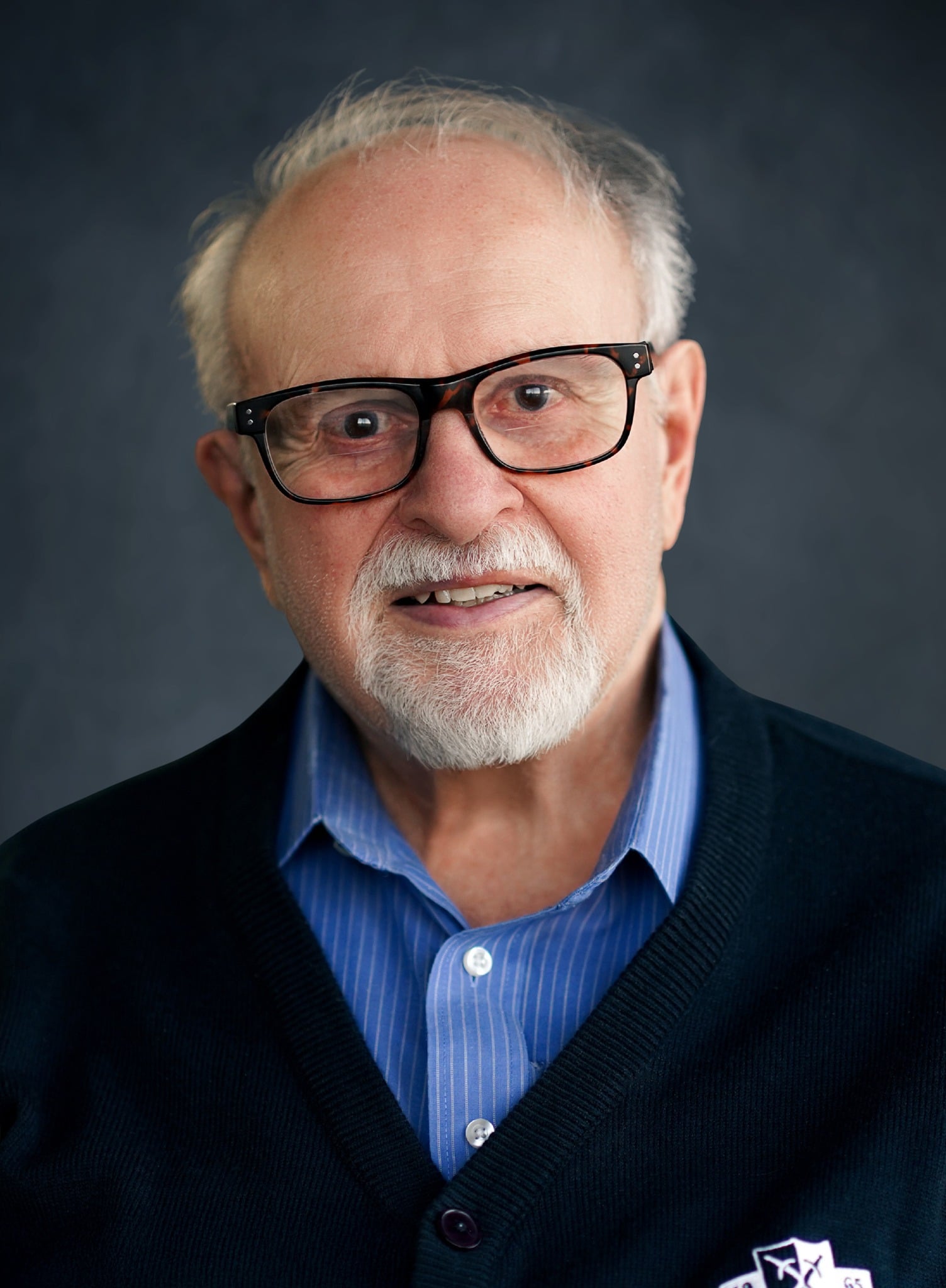


About Sean Rensch
Sean P. Rensch has practiced personal injury law in Nebraska since graduating from Creighton University School of Law in 2004. He started his legal career at the Douglas County Public Defender's Office, which shaped his approach as a trial advocate, before joining his father Richard J. Rensch at the firm in 2007. His practice focuses exclusively on litigation for injured Nebraskans and Iowans. Sean has secured victories at nearly every level of the Nebraska court system, including multiple wins before the Nebraska Supreme Court. He represents clients in cases against insurance companies, corporations, and other defendants, with a straightforward goal: winning real money for people who have been seriously hurt.
Proven verdicts and settlements
The Nebraska Supreme Court reversed a trial court ruling and held that when an employer denies a workers' compensation claim, the employee is not bound by the normal chain-of-referral rules for choosing physicians, and the employer must pay for all medical treatment later found to be compensable.
The Nebraska Court of Appeals affirmed a three-judge panel's ruling that Gloria Montoya, a Tyson Foods worker, was permanently and totally disabled as a result of injuries sustained on the job, rejecting the company's appeal in full.
The Nebraska Supreme Court upheld a permanent total disability award for a truck driver whose 2009 rollover on an Interstate 680 on-ramp in Omaha combined with pre-existing mental and cognitive impairments left him unable to compete in any regular branch of the labor market.
Rensch and Rensch won reversal of summary judgment in a legal malpractice case, establishing that owners of a closely held corporation may personally sue the company's attorneys when their financial interests are inseparable from the entity's.
The Nebraska Supreme Court reversed a directed verdict for the defense in Mary Cohan's delayed breast-cancer diagnosis case, ordering a new trial against the radiology and OB/GYN providers responsible for misreading her 2009 mammogram.
Prior results do not guarantee a similar outcome. Each case is unique and depends on its own facts.
Practice areas
Education
Bar admissions & credentials
Other attorneys at Rensch and Rensch
View firm →


Proven verdicts and settlements from other Omaha firms